Recognizing Learning Disability Week by celebrating the strengths, growth, and potential of students who learn differently
Each year, Learning Disability Week provides an opportunity to recognize the millions of individuals who learn differently and the educators, families, and support teams who help them succeed.
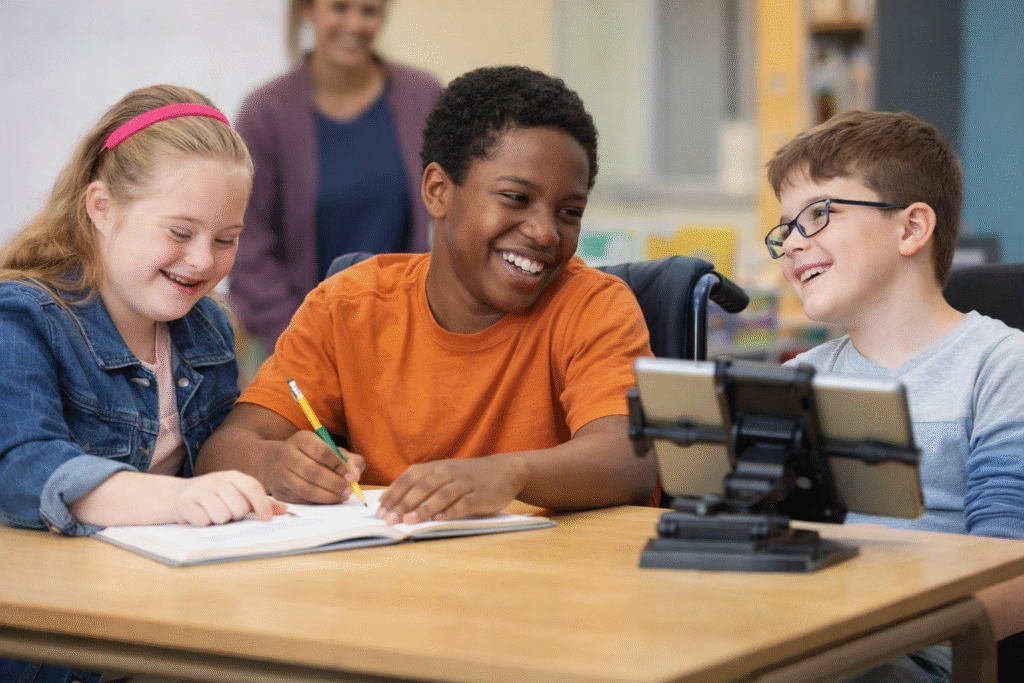
While learning disabilities can affect how a person processes, retains, or communicates information, they do not define a student’s abilities, potential, or future. Many students with learning disabilities demonstrate tremendous creativity, perseverance, problem solving abilities, and resilience when provided with the right supports and opportunities.
The key is ensuring that instruction meets learners where they are.
When Students Learn Differently, Teaching Should Too
Educators understand that no two students learn exactly the same way.
For many students, particularly those receiving special education services, meaningful learning often happens through visual supports, repetition, structured routines, demonstrations, discussion, and opportunities to practice skills in real world situations.
This is especially true when teaching communication, friendship skills, boundaries, personal hygiene, healthy decision making, respect, online awareness, and personal safety.
Many of the skills students need most are developed through everyday interactions. They are not mastered after a single lesson. Instead, they are strengthened over time through repeated opportunities to learn, practice, revisit, and apply concepts across different environments.
Turning Lessons Into Real Life Learning
Students often benefit from multiple opportunities to see, discuss, and practice important concepts.
Visual supports, instructional videos, scenario cards, role plays, demonstrations, and guided activities can help transform complex ideas into skills students can recognize and use in their daily lives.
Whether practicing how to start a conversation, understanding personal space, recognizing healthy and unhealthy behaviors, navigating online interactions, or learning routines related to health and hygiene, students benefit when instruction is concrete, structured, and connected to real world experiences.
When lessons feel relevant to situations students may encounter at home, in school, at work, or within their communities, learning becomes more meaningful and easier to retain.
Supporting Growth Beyond the Classroom
Learning does not end when a lesson concludes.
One of the most valuable aspects of effective instruction is creating opportunities for concepts to be reinforced beyond the classroom, counseling office, or therapy setting.
Home supplements, family engagement resources, visual supports, and teaching suggestions can help families, caregivers, and support teams continue important conversations and reinforce skills in meaningful ways. When students receive consistent messages across settings, they have more opportunities to strengthen understanding and apply what they have learned to new situations.
This collaborative approach helps create a stronger foundation for long term success.
Designed with Diverse Learners in Mind
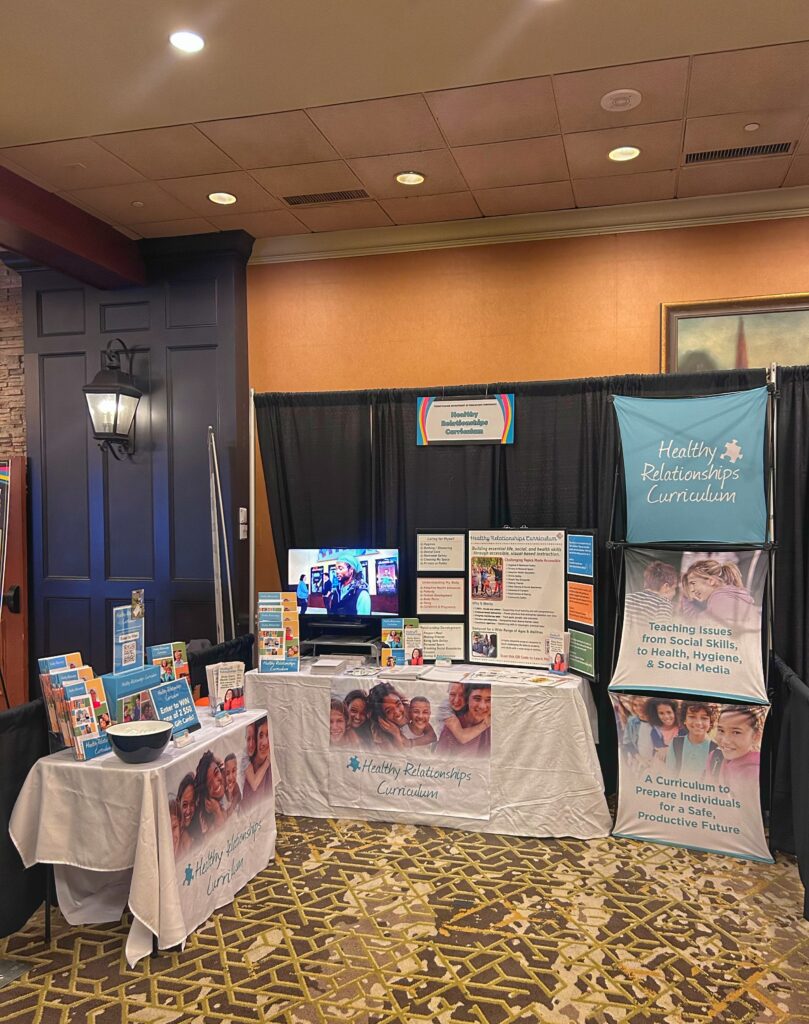
Healthy Relationships was developed by special education teachers and counselors who understand the importance of flexible, accessible instruction.
The program includes:
- More than 1,000 visual supports
- Nearly 200 instructional videos
- Scenario cards and role play activities
- Home supplements and family engagement resources
- English and Spanish materials
- Progress monitoring tools
- Tips and suggestions for teaching lessons
- Flexible resources that can be adapted to meet individual needs
Rather than expecting students to adapt to the lesson, the goal is to provide tools that help make important concepts easier to understand, teach, practice, and remember.
Celebrating Strengths and Possibilities
Learning Disability Week is ultimately about recognizing strengths, celebrating progress, and continuing to create opportunities for every learner to thrive.
Students with learning disabilities bring unique perspectives, talents, and contributions to their schools, families, workplaces, and communities. When provided with meaningful instruction, appropriate supports, and opportunities to practice important life skills, they can continue building the confidence and independence needed to navigate the world around them.
That is something worth celebrating this week and throughout the year.
Learn More
If you would like to learn more about how Healthy Relationships supports communication, friendship skills, boundaries, personal hygiene, online awareness, healthy decision making, and life skills instruction for individuals with diverse learning needs, we invite you to explore additional resources or request a free demonstration. Start a free trial or speak with any of our teachers or special education supervisors today!